 From the St. Charles (IL) Patch comes word that the Cascade Drive-In (West Chicago) tried a Kickstarter campaign to help finance its conversion to digital projection. That seems to be the Illinois thing to do, as shown by the Midway (Palmyra), the Harvest Moon (Gibson City) and the McHenry Outdoor Theater (McHenry).
The article makes the Cascade sound much more optimistic that some of the others. It says its owner “has been in the drive-in theater business all his life and has no plans to close.” It also suggests that he hoped Kickstarter would prevent him from having to borrow to finance the new equipment. Unfortunately, that campaign ended last week with only $1248 pledged toward the $100,000 goal.
Clicking around on Kickstarter, I see that the Harvest Moon campaign also failed ($49,449/$120,000), as did Midway‘s ($7536/$40,000). With only a few weeks until its Nov. 28 close, the McHenry campaign is also in trouble ($27,143/$130,000).
I’ve seen Kickstarter projects work, though for smaller amounts. Wired has a nice primer on how to run one. Adapting its advice to drive-ins, I would add that a theater needs to offer something tangible and valuable for donors. Maybe give two free tickets in exchange for a $25 pledge, or a Carload for $50. I also would amplify Wired’s last idea: Facebook. There are a lot of drive-in patrons (and a lot of drive-ins) on Facebook, and a good appeal there can ripple out to bring in more fans who might become donors if the appeal and the deal are good enough. Want to give it another try?
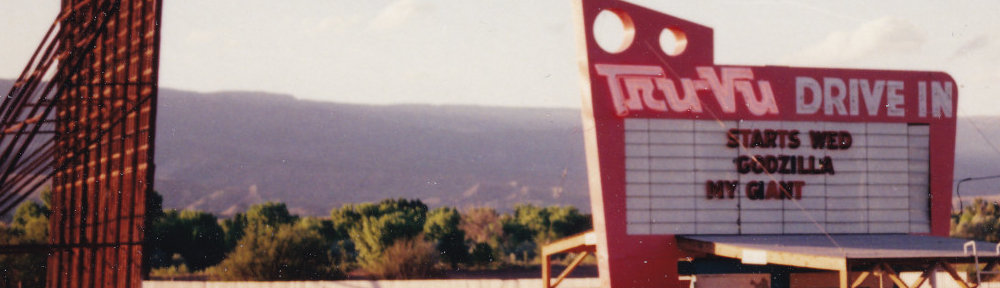
 The Record-Journal of Meriden CT printed an article about annual community awards this week. Person of the Year honors went to Anthony Denorfia, who purchased the former Southington Twin Drive-in property, allowing the city to preserve and run the drive-in with proceeds going to charity.