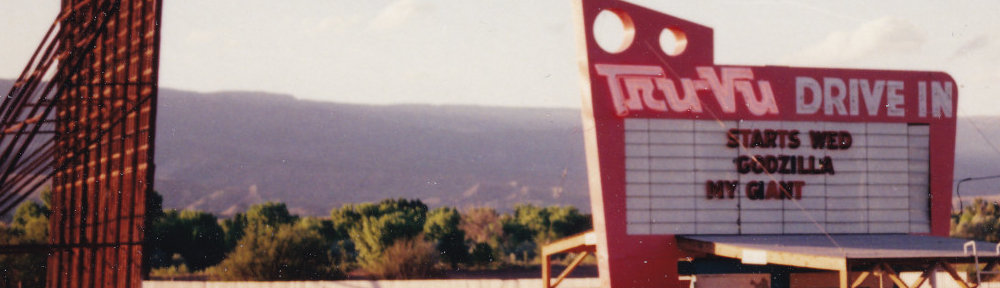
Without film, Hi-Way faces tough choices


The Daily Freeman of Hudson Valley NY ran a story that I expect to see duplicated in dozens of other towns. Now that the Hollywood studios have stopped supplying film prints of their movies, the Hi-Way of Coxsackie has to decide what it’s going to do about the coming drive-in season.

According to the Daily Freeman story, Roger Babcock and his wife bought the Hi-Way in 1996. Since then, he expanded from one screen to four, and he takes pride in maintaining his fleet of dependable, workhorse film projectors. “All I replace is bulbs and a gear here and there,” Babcock said.

Now come the tough choices. If Babcock switches to digital, how many projectors can he afford? He’ll need to upgrade the projection booth to “clean room” conditions with heat, air conditioning, air filtering, and an internet connection. Where will he get the money for all that? Virtual print fees from the studios? Social Security? For much more about the Hi-Way and its future, you’ll just have to read the article.

Paramount quietly ends film distribution

Old motion picture film reel during the Thessaloniki (Greece) International Film Festival on November 5, 2012. © Depositphotos.com / werve.

Old motion picture film reel during the Thessaloniki (Greece) International Film Festival on November 5, 2012.
© Depositphotos.com / werve.

According to the Los Angeles Times, Paramount has stopped creating 35mm film versions of its new releases. Anchorman 2: The Legend Continues was the final new film, and Wolf of Wall Street became Paramount’s first movie to be released only digitally.

The Times story said that “no studio wants to be seen as the first to abandon film, which retains a cachet among purists.” Now that one major studio has crossed that line and completely ended film production, the other majors should fall in line pretty quickly.

For drive-in theater operators waiting until the long-delayed switch away from film, now that’s where we are. In a way, it’s good that Paramount’s decision came at this time of year; if the switch had come in June, some theaters might have been stuck with shutting down in mid-season.

We still refer to new releases of music as “albums” even though it’s been a very long time since they came as a series of 78s held in pages like a photo album. Maybe 50 years from now, folks who watch movies will still refer to them as “films” the same way. When that happens, I hope to still be around to tell them stories of metal cans, projection rooms and huge platters of film so they’ll know how theaters once delivered our movie magic.